When building a home in Australia, finding clarity about what electrical and lighting items are included as standard can ease both planning and budgeting. Each builder offers a slightly different baseline for what they include as standard in a new home package. Yet most adhere to a common framework that defines an acceptable level of everyday electrical fittings, power outlets, lighting, and rough‑in services. These are shaped by local regulations, typical living habits, and industry norms.
What Home Builders Typically Provide
Most mainstream house and land package developers or volume home builders include in their standard scope a basic power and lighting pack. This normally comprises power points throughout living rooms, bedrooms, kitchen, bathrooms and garage in compliance with Australian Standards AS/NZS 3000. Lighting typically includes downlights in main living areas, basic pendants or batten lights in bedrooms. Bathrooms tend to have an exhaust fan and a heat lamp depending on the package. External lighting at front and rear doors is found in most builder standard inclusions.
Standard inclusions will usually allow for typical appliances such as stove, oven, rangehood and space heater preparations, with basic wiring and outlet provisions. Kitchens come fitted with power outlets for fridge, dishwasher, microwave, general bench‑top sockets, and often LED strip lighting beneath overhead cupboards. In effect, building a home in Australia with a mainstream builder often means you can expect a functional, code‑compliant electrical setup for day‑to‑day life without additional upgrades.
Lighting Styles: What Comes Included
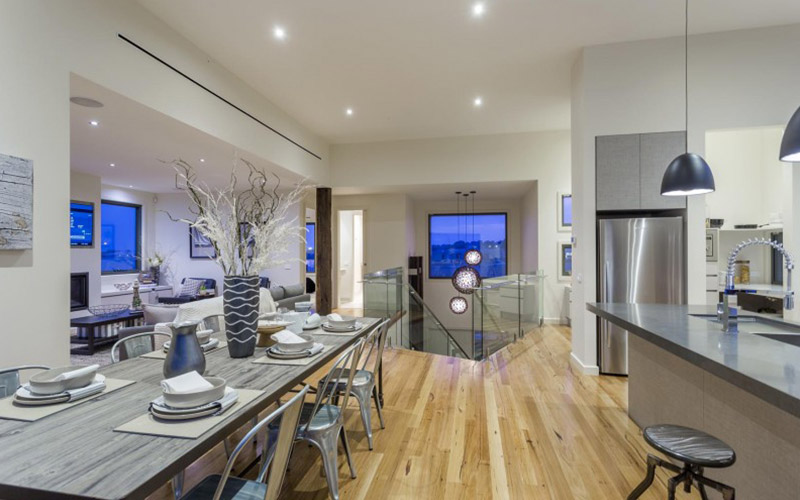
The home builders’ lighting inclusions generally match a mid‑level aesthetic: LED downlights of around 6–9 watts in living zones, simple pendants in dining or living areas, and surface mounted ceiling fittings in bedrooms. Wet areas may carry standard surface lights. Decorative fittings or fancy pendant lights, wall‑sconces or designer lamps are almost always upgrades. Some builders include ceiling fans or fan‑cupboards in bedrooms or living as upgrades. A few packages now offer energy‑efficient LED bulbs as standard, but if not, you might still get incandescent or CFL bulbs, which many owners later replace with LEDs.
Electrical Provision and Safety Features
Under the standard offering you’ll normally find RCD (residual current device) safety switches, circuit breakers and earth leakage protection integrated in the switchboard. Builders also install smoke alarms connected to the mains supply, with battery backup as required by regulation. Connections for TV, phone and internet typically include basic coaxial and data conduits to key rooms and the garage. Most homes come with a pre‑wired meter box and switchboard, but voice/data or smart home features generally require upgrading or separate packages.
Why These Inclusions Matter When Building a Home in Australia
Understanding what is standard means you don’t over‑specify or duplicate things in your allowances—even while ensuring you don’t miss essential components. If you’re working with home builders, knowing exactly what’s included lets you compare base packages more accurately, document your upgrade options, and negotiate custom changes more effectively. It also avoids unexpected costs when building a home in Australia, as electrical and lighting upgrades can escalate quickly once you start selecting designer fixtures, extra circuits, ceiling fans, or smart switches.
Advantages of Standard Inclusions
One of the largest benefits of standard inclusions is predictability. Builders offer these items at scale, so everything is planned, priced, and installed in bulk to meet compliance. That means fewer surprises when your electrician sends your handover invoice. Standards are stretched through entire estates, so the same lighting brands and power points typically appear across similar spec homes. That simplifies maintenance and replacement too. For homeowners under budget pressure, accepting standard lighting and power outlets can often cover your daily needs without splurging.
Recognising Gaps and Knowing When to Upgrade
While the standard package covers functional power and lighting, there are common gaps where many homeowners choose upgrades. Kitchens sometimes lack under‑cabinet lighting or provision for appliance garaging. Bathrooms may have only a single central light without vanity task lighting or motion‑sensor night lights. Outdoor areas may miss garden or alfresco fittings. Bedrooms may lack ceiling fan wiring. And if you want a dedicated home theatre circuit, CCTV, EV charger outlet or smart switches, these typically require upgrade packages.
If you are building a home in Australia and seeking future‑proof electrical capacity, investing early in additional power points, spare circuits—or provisions for solar connections or battery storage—can yield long‑term savings. Many home builders will allow you to choose upgrades in their selection centre or customize electrical packages to include additional zones, smart home control, feature lighting or outdoor power infrastructure.
How to Approach the Selection Phase
When visiting a display home or working with a builder, ask explicitly what is included in their standard lighting and electrical inclusions. Review the specifications list. If floor plans show symbols for fittings, note which items are standard versus upgrades. You might be surprised that curtain tracks, double power points or downlight spacing standards vary between builders. Always ask what brand and wattage of downlights they include, and whether they’re LED or older types.
If you plan to lease or sell the property eventually, adhering to modern efficiency standards by opting for LED lighting in bedrooms and kitchens as part of your upgrade may increase your appeal to tenants or buyers. Preparing for home automation or solar ready installation during the build is often far cheaper than retrofitting later.
Cost and Value Considerations
Standard electrical inclusions in a building a home in Australia package are typically bundled into the base price, making them seem “free”—but they reflect cost‑optimised selections and minimal power points or lights. Upgrading to add a few more power outlets, swap pendants for feature pendants, or include downlights in walk‑in wardrobes will cost extra but deliver higher finish quality and convenience. Compare upgrade pricing carefully: a single decorative pendant may cost hundreds, while a bundled upgrade of ten additional LED downlights may come with a discount.
Assessing value also means forecasting your future needs. If you intend to add solar, battery storage, charging infrastructure for electric vehicles or automation, adding conduit and extra capacity now can avoid expensive re‑wiring later.
While these enhancements are outside of normal lighting inclusions, many builders offer a solar provision or “making good” kit—basically empty conduit from the switchboard to roof area—so allow for that if pre‑planning.
Recent Trends Among Australian Home Builders
In 2025, home builders increasingly offer energy‑efficient LED lighting and smart home provisions as part of higher‑tier inclusions. Some now include motion sensors in passageways or smart dimmable downlights in kitchens as part of their upgraded ranges. Sustainable building and home energy ratings are pushing standard packages toward better efficiency, although higher aesthetic choices—like designer pendants, feature wall sconces or smart lighting systems—remain exclusive to upgrades.
Builders focusing on volume estates continue to follow a standard model: a dozen LED downlights, 20 or so double power points, standard bathroom heat/lights and basic external fittings. Custom builders, by contrast, offer more tailored inclusions: additional rehearsed lighting zones, layered lighting design, integrated ceiling fans, and infrastructure for future smart home automation—clearly defined in selection manuals.
Tips for Homeowners and Prospective Buyers
As someone building a home in Australia, you’ll benefit by reading the builder’s specification in detail, questioning placement of power points (beware only one either side of the bed), and ensuring kitchen appliance power is included for fridge, dishwasher, microwave, and oven independently. Ask whether reverse cycles, gas points or EV power are standard or upgrades. Confirm the number of downlights in living areas and whether they are LED. Check if smoke alarms, safety switches, internet conduits and TV points come standard.
If you plan to negotiate extras, timing matters. Some builders allow early upgrades at a lower rate than post‑slab electrical variations. Bundling upgrades in early selection may unlock discounts. Consider long‑term cost and convenience rather than just saving on upgrade fees—future tenants or family will appreciate extra lighting, USB power points or fan wiring.
Standard Lighting & Electrical Inclusions
When building a home in Australia, understanding what lighting and electrical inclusions come as standard with your home builders is critical. It sets the baseline for what you pay—and what you might add. While standard packages deliver a code‑compliant, functional electrical setup, gaps exist in lighting style, power provision, outdoor wiring, smart readiness and future‑proof infrastructure. Knowing exactly what is included allows better planning, smarter choices, and more accurate budgeting.
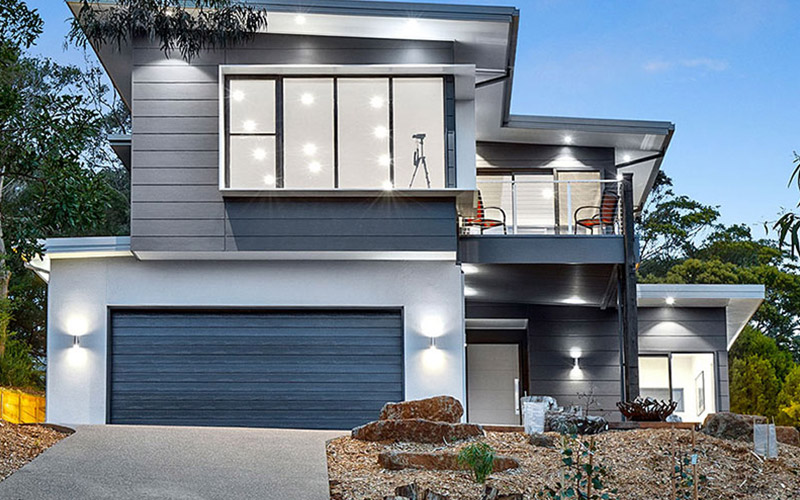
Although home builders often deliver similar standard inclusions across projects, prices and levels differ. Some builders increasingly offer LED downlights and energy efficient fittings as standard; others still rely on basic bulbs. Custom builders give more flexibility but usually at higher premiums. Ask for clear documentation, compare inclusions side‑by‑side, buy upgrades early, and plan for future needs like solar, automation or EV chargers.