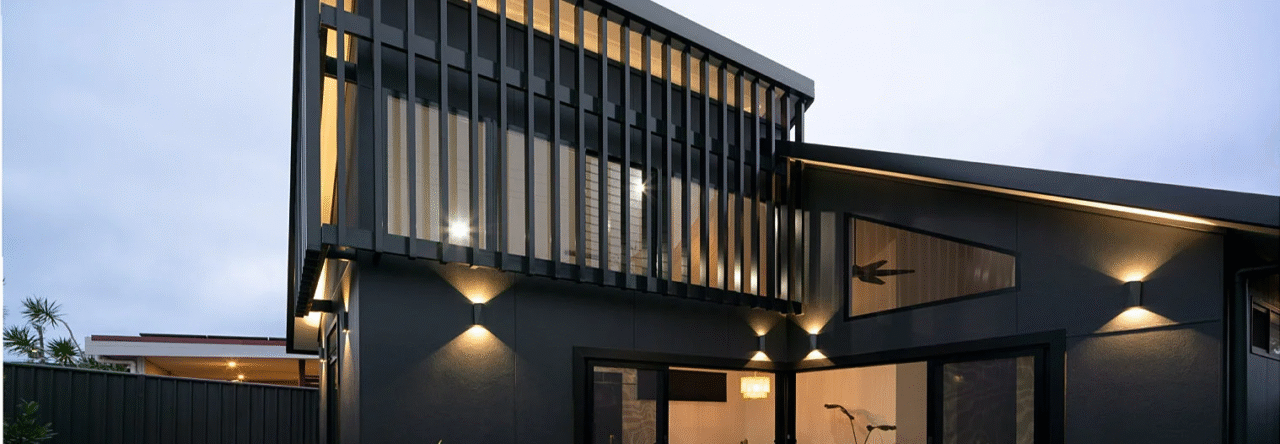
In recent years, sustainability has shifted from a buzzword to a core philosophy in the construction industry, especially in Australia where environmental awareness and climate adaptability are critical. With increasing interest in reducing carbon footprints and enhancing long-term cost-efficiency, both new homeowners and experienced home builders are rethinking the materials used in residential construction. Whether you’re planning a modest suburban home in Victoria or a coastal retreat in New South Wales, the decision to use sustainable materials can dramatically affect not just the ecological impact of your build but also its functionality, durability, and overall value.
Why Sustainability Matters in the Australian Home Building Landscape
Building a home in Australia means facing a variety of climatic zones, bushfire risks, and energy demands. With rising electricity costs and increasing pressure to meet environmental regulations, sustainable design is no longer optional. Sustainable building materials provide solutions to these concerns. They are energy-efficient, often locally sourced, and designed to last, reducing maintenance and long-term operational expenses. In addition, these materials contribute to indoor air quality, thermal regulation, and even acoustics, which enhances the everyday comfort of living spaces.
Home builders across Australia are increasingly being sought out not just for their design capabilities but for their understanding of green building practices. Many now incorporate passive design, recycled resources, and innovative technologies in their builds. Clients today ask more questions than ever before about sourcing, life-cycle assessments, and post-occupancy performance. The shift is evident, and sustainable materials are at the heart of this movement.
Earth-Based Solutions: Rediscovering Natural Building Blocks
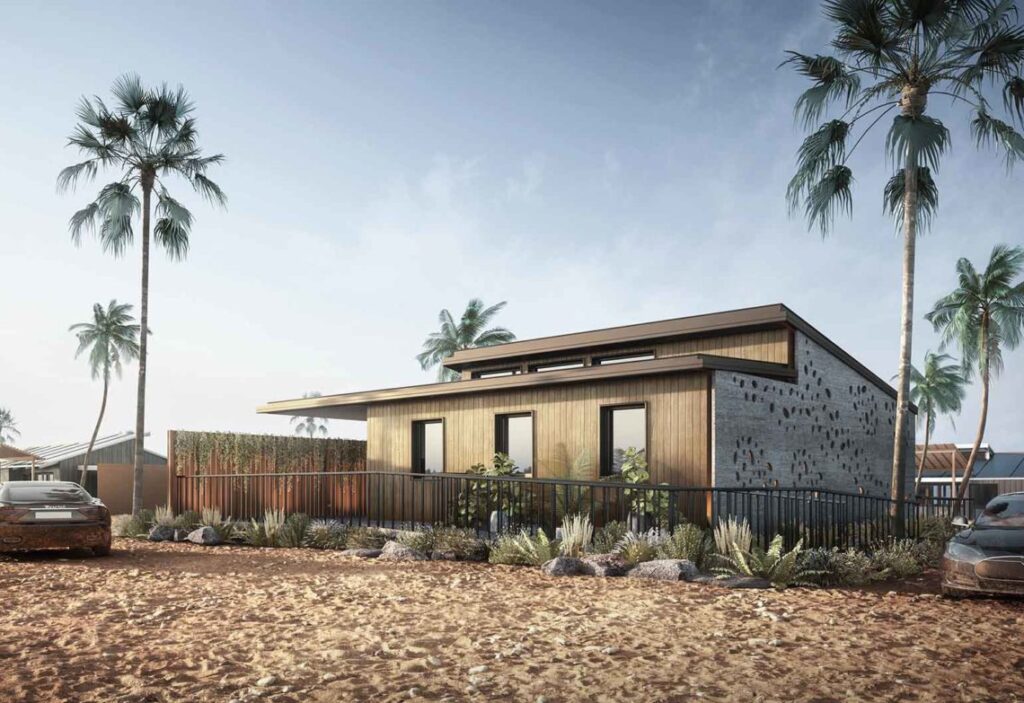
One of the most promising trends in sustainable home building is the resurgence of earth-based materials. Rammed earth, mud brick, and compressed earth blocks are gaining popularity for their low embodied energy and excellent insulation properties. These materials are incredibly effective at regulating temperature, making them ideal for Australia’s hot and dry interior regions. Homes built using these methods often remain cool in summer and warm in winter without relying heavily on artificial heating or cooling.
In places like rural South Australia and parts of Western Australia, rammed earth construction has become more than a rustic aesthetic; it’s a practical, eco-conscious solution. The materials are often sourced directly from the building site, cutting down on transportation emissions.
Moreover, their thermal mass performance allows them to absorb and release heat gradually, providing a stable indoor climate all year round.
Timber Innovations: From Traditional to Engineered Excellence
Timber is a classic choice for building a home in Australia, but the new era of engineered wood products takes it to a whole new level. Cross-laminated timber (CLT) and laminated veneer lumber (LVL) are engineered timber products that offer superior strength and sustainability compared to traditional hardwood or softwood framing. These materials are manufactured in controlled environments using timber from sustainably managed forests, ensuring minimal waste and optimal performance.
Engineered timber is particularly well-suited to prefabrication, which is growing in popularity among modern Australian home builders. Prefab construction techniques reduce time on site, lower labour costs, and minimize construction waste. Additionally, timber is naturally carbon-sequestering, meaning it stores carbon dioxide throughout its life. When responsibly sourced and correctly sealed against pests and moisture, timber is one of the most environmentally sound choices available.
Hempcrete and Straw Bale: Modern Takes on Ancient Materials
Some of the most innovative sustainable materials have surprisingly ancient roots. Hempcrete, a blend of hemp fibres and lime binder, is becoming a go-to for eco-conscious home builders in Australia. Lightweight, non-toxic, and breathable, hempcrete provides excellent insulation and is resistant to mould and pests. One of the standout qualities of hempcrete is its ability to absorb more CO₂ than it emits during production, making it a carbon-negative material.
Straw bale construction, often seen as experimental, is now gaining serious recognition in Australia’s green building circles. With proper rendering and structural design, straw bales can meet fire safety codes and structural requirements. Several certified builders around the country now specialize in this method, particularly in Victoria and Tasmania. Not only are these homes energy-efficient and affordable to build, but they also offer an appealing aesthetic that blends beautifully into rural or semi-rural landscapes.
Concrete Reimagined: Eco-Concretes and 3D Printed Materials
Concrete is traditionally considered one of the most carbon-intensive materials in the construction industry. However, newer formulations like geopolymer concrete and fly ash-blended cement are drastically changing its environmental profile. These alternatives use industrial by-products instead of traditional Portland cement, cutting emissions by up to 80%. Some Australian suppliers now offer low-carbon concrete options suitable for foundations, driveways, and slabs.
Australia is also pioneering the use of 3D-printed homes using special eco-concrete blends. In Melbourne, the first 3D-printed home using a proprietary mix called Ultimatecrete has set new benchmarks in cost efficiency and material usage. Printed walls are created in layers on site, reducing the need for conventional formwork and cutting down on waste. While still a novel concept, 3D printing is poised to become a sustainable solution for affordable housing and rapid construction in remote areas.
Recycled and Repurposed: Closing the Loop
One of the easiest ways to make a build more sustainable is by incorporating recycled materials. This can include reclaimed bricks, recycled steel, reused timber, and even crushed glass or rubber in concrete mixes. These materials divert waste from landfills and reduce demand for virgin resources. Many Australian home builders are now partnering with demolition and salvage companies to reclaim materials from older buildings and give them new life in modern homes.
For interiors, options like recycled plastic panels, low-VOC paints, and repurposed timber flooring are widely available and aesthetically pleasing. These choices are particularly popular in architect-designed homes that aim for both visual impact and eco-performance. They reflect a design ethos that values character, sustainability, and resourcefulness all at once.
Smart Insulation and Glazing for Thermal Comfort
Thermal performance is critical when building a home in Australia, given the nation’s diverse climate zones. Insulation plays a central role in reducing the energy required for heating and cooling. Sustainable insulation options include cellulose (made from recycled newspaper), sheep’s wool, recycled denim, and polyester batts. These products offer excellent thermal performance, low toxicity, and reduced embodied energy.
Smart glazing solutions, such as double or triple-glazed windows with low-emissivity (low-E) coatings, also significantly improve energy efficiency. High-performance glazing helps block UV rays and prevents unwanted heat gain or loss, which is crucial in both tropical and temperate climates. When combined with passive solar design, proper shading, and ventilation strategies, these elements help maintain comfortable indoor temperatures year-round with minimal mechanical intervention.
Roofing and Cladding: Beyond Aesthetics
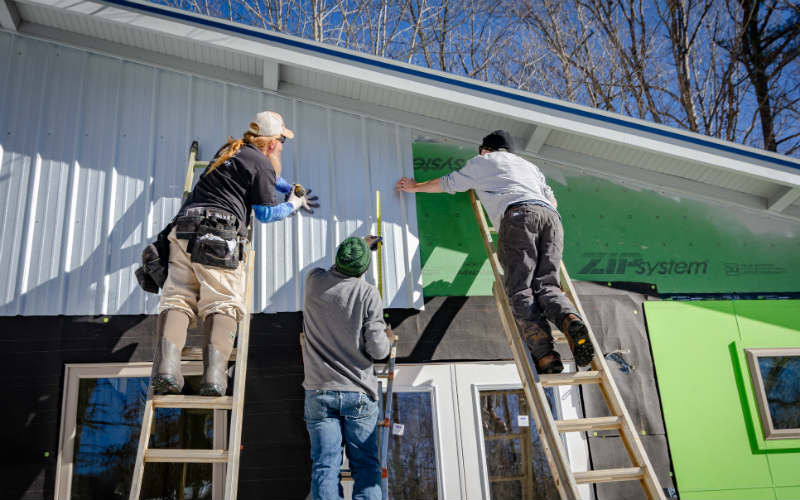
The choice of roofing and cladding materials has both aesthetic and functional implications. Metal roofing, especially those made from recycled or recyclable materials, is durable, reflective, and fire-resistant—qualities especially valued in bushfire-prone regions. Some metal roofs are designed to work with solar panels and rainwater harvesting systems, further boosting their sustainability credentials.
Natural and renewable cladding materials like timber, fibre cement, or cork can enhance insulation and reduce a home’s embodied energy. Cork, in particular, is a renewable resource harvested from tree bark without harming the tree. It’s lightweight, breathable, and provides both thermal and acoustic insulation. While still gaining traction in Australia, cork cladding is making waves in Europe and could become a viable local option with increased demand.
Certifications, Ratings, and Regulations
For homeowners serious about sustainable building, adhering to industry certifications is crucial. Australia has several green building rating systems, including the Nationwide House Energy Rating Scheme (NatHERS) and Green Star from the Green Building Council of Australia. These systems assess homes based on their energy efficiency, environmental impact, and overall sustainability. Choosing certified sustainable materials contributes positively to your home’s rating and can enhance resale value in an increasingly eco-conscious property market.
Many state governments also provide incentives or rebates for building sustainable homes or retrofitting older homes with energy-efficient features. Collaborating with knowledgeable home builders who understand these frameworks ensures that your home meets all compliance requirements while also qualifying for applicable financial benefits.
The Role of Home Builders in Sustainable Practices
No matter how committed a homeowner may be to sustainability, the execution depends largely on the home builder. Experienced builders who specialize in sustainable practices will know how to source the best materials, navigate regulations, and optimize design for performance. Some even collaborate with environmental consultants, architects, and engineers to ensure a holistic approach to construction.
In cities like Brisbane, Perth, and Adelaide, demand for green builders is on the rise. These professionals offer everything from carbon-neutral builds and zero-waste construction methods to homes designed for full off-grid living. They are well-versed in integrating rainwater tanks, greywater recycling, rooftop solar panels, and battery storage systems into everyday residential builds.
Building a Greener Future in Australia
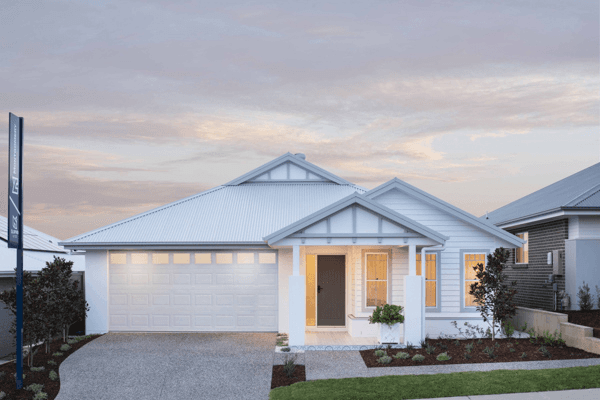
As climate challenges intensify and public awareness grows, the future of construction lies in smart, sustainable solutions. Whether you’re a first-time buyer or an experienced investor, building a home in Australia with eco-conscious materials is a decision that benefits not only your wallet and wellbeing but also the planet.
From earth walls and recycled steel to engineered timber and 3D-printed homes, the variety of sustainable materials now available empowers home builders and homeowners to create dwellings that are beautiful, functional, and environmentally responsible. The journey toward greener living starts with thoughtful choices—ones that blend tradition, innovation, and responsibility into every layer of your home.