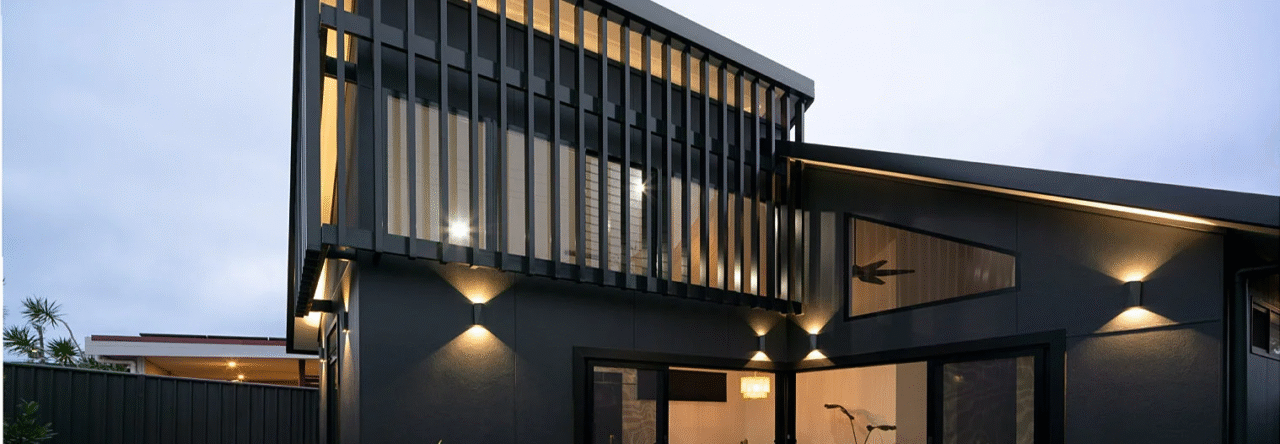
Building a home in Australia today is evolving. More and more, home builders are embracing eco‑friendly practices, creating healthier, more efficient houses that fit modern lifestyles. In this post, I explore how building a home in Australia can be done sustainably—from design to materials to performance—and why both homeowners and builders increasingly opt to go green.
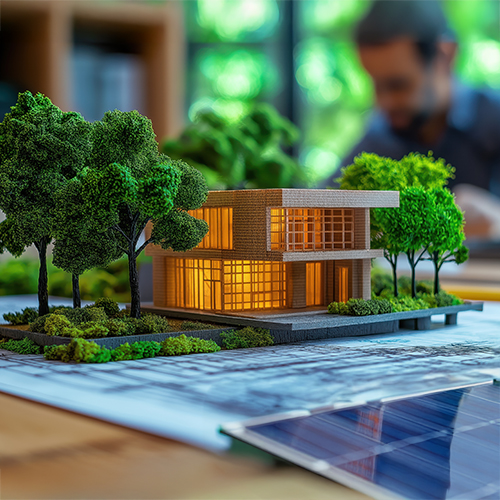
Why Green Home Builders Matter in Australia
Australian home builders committed to sustainability are leading a shift. Driven by regulations like the National Construction Code (NCC 2022) and certification systems such as Green Star, these builders ensure new homes deliver more than just shelter. They reduce energy consumption, conserve water, use better materials, and prioritize occupant health. Green Star certified projects produce on average 62 percent fewer greenhouse gas emissions, use 66 percent less electricity, and 51 percent less potable water than average Australian buildings. Builders also recycle up to 96 percent of construction waste versus 58 percent in conventional builds.
The updated NCC 2022 makes it mandatory for new residential buildings to have higher thermal performance and accommodate electric vehicle charging while encouraging electrification over gas systems. On top of this, schemes like BASIX in New South Wales drive reductions of roughly 40 percent in water use and emissions compared to pre‑BASIX buildings.
Designing for Climate: Passive Principles in Action
At the heart of eco‑friendly construction is design that works with Australia’s climate. Leading Australian examples of net‑zero and passive design include the Huff’n’Puff Haus in Victoria, 39S House in Brisbane, and Farrier Lane House in Perth.
In the Huff’n’Puff Haus, everything from straw‑bale structural panels to natural ventilation minimizes heating and cooling needs. It even generates more energy than it consumes. Orienting windows for cross‑ventilation and shading, reducing size rather than chasing large footprints—these are techniques home builders use to cut energy use and costs.
Andrew Noonan’s renovation of a Queensland cottage into 39S House shows how building a home in Australia can transform an existing structure into a thermally efficient, net‑zero dwelling simply by re‑orienting the layout, insulating well, installing energy‑efficient glazing, and preserving green space. The result? No heating or cooling needed, reduced flood risk, and comfort without constant energy bills.
In Perth, Farrier Lane House balances carbon footprint, thermal performance and liveability, using thermal mass materials and orienting the home north to optimize solar gain while limiting unused space.
Materials That Make a Difference
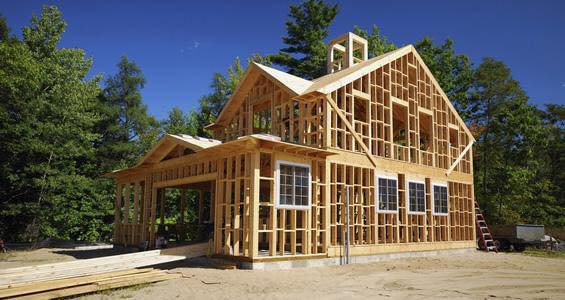
Australian eco‑friendly home builders are increasingly selecting sustainable, low‑impact materials. From recycled timber and reclaimed metal to hempcrete, straw, bamboo and even algae‑based bricks and oyster‑shell composite panels, innovation is reshaping what a home is made of.
Hempcrete walls mixed with horse‑poo render were used in an affordable eco‑home in Tasmania, demonstrating that sustainable building materials need not compromise cost or comfort. Emerging marine‑based materials like oyster shells and seaweed offer future routes to low carbon housing, though commercial scalability and certification remain challenges for now.
Prefabrication and modular construction further reduce waste. Companies such as Luyten 3D are developing 3D‑printed concrete homes using innovative mixes, reducing labour and material waste by up to 80 percent compared to conventional build processes. Their prototype printed homes, assembled in days, illustrate how home builders and technology can meet demand for quick, efficient, and greener housing.
Efficiency Beyond Insulation: Systems and Technologies
Insulation and glazing transformation is central to lowering running costs. High‑performance options like Earthwool insulation, made from recycled glass, provide excellent thermal performance and improved indoor air quality with minimal embodied energy. South‑facing orientation, sealing gaps, double‑glazed windows and good ceiling insulation together cut heating and cooling bills by 40–60 percent.
Solar photovoltaic systems continue to be a popular choice for building a home in Australia, with over 42 percent of recently sold houses already featuring solar panels. Combined with energy‑efficient lighting (like LEDs) and electric appliances, they further reduce bills and emissions.
Water management practices are equally important. Rainwater tanks, low‑flow fixtures, greywater recycling systems, permeable paving and landscaping with shade trees or green roofs slow runoff, reduce irrigation needs and contribute to healthier site ecology. Green roofs such as those atop Freshwater Place in Melbourne not only insulate and reduce runoff, they also create habitat and microclimates in urban areas.
The Value in Eco‑Friendly Home Building
Eco‑friendly homes cost more upfront but deliver returns. Green Star certified homes can cut energy use by 56–60 percent and save householders $90–140 per month on bills. They may even qualify for better‑value home loans with discounted interest rates. Domain’s 2024 Sustainability in Property report shows properties with energy‑efficient features attract 16.7 percent more buyer interest, sell 4 percent faster on average, and in many regional areas can command price premiums of up to 20–30 percent, with Melbourne houses showing an average premium of nearly $112,000.
For anyone building a home in Australia, choosing sustainable features improves comfort, enhances resale value, lowers ongoing costs and aligns with environmental responsibility. Whether you’re a custom home builder on the Gold Coast or a modular frames company in Perth, the long‑term value is compelling.
Who Are the Eco‑Friendly Home Builders in Australia?
Some of the most respected names in sustainable building include specialist firms and mainstream builders updating to meet new NCC standards. Companies like Endeavour Homes incorporate double glazing, water‑efficient fixtures and solar systems as standard in eco‑friendly builds. Larimar Build on the Gold Coast explicitly brands itself around sustainability, collaborating with clients to integrate low‑impact materials and energy‑efficient systems into bespoke designs.
Large project builders like Creation Homes and Metricon are also now providing display homes designed to meet 7‑Star energy ratings under NCC 2022. These releases serve as proof that high‑volume home builders can deliver green, energy‑efficient homes at scale, not only luxury bespoke projects.
The Sustainable Builders Alliance, spawned from Builders Declare Australia, provides guidance and peer networks to promote low‑carbon practices across the industry. Its members include architects, builders and suppliers advocating for high‑performance and sustainable construction methods.
Innovations on the Horizon
Australia is steadily advancing toward more sustainable building technologies and materials. Research at institutions like the University of Queensland is exploring microalgae bricks, seaweed and oyster‑shell composites, bamboo, straw panels and mycelium structures that absorb CO₂ over time. Though challenges in cost, certification and scale remain, these innovations could shape the next generation of eco‑friendly homes.
3D‑printed housing also continues to rise, with Luyten 3D and partners developing printed elements for fast, low‑waste builds. Their technology is already being deployed in remote, Indigenous and affordable housing contexts, with a goal to print a significant share of Australia’s regional homes by 2030.
Practical Advice for Australians Who Want to Build Green
Anyone looking to build a home in Australia should begin with climate‑responsive design. Work with architects versed in passive design: orient for sun and shade, seal and insulate well, choose appropriate glazing, and incorporate cross ventilation. Reuse or renovate existing structures where practical, as with examples like 39S House.
Select sustainable materials: reclaimed timber, low‑VOC finishes, FSC‑certified wood, straw‑bale or hempcrete panels. Choose builders who are familiar with Green Star targets or have experience achieving 7‑Star NatHERS ratings.
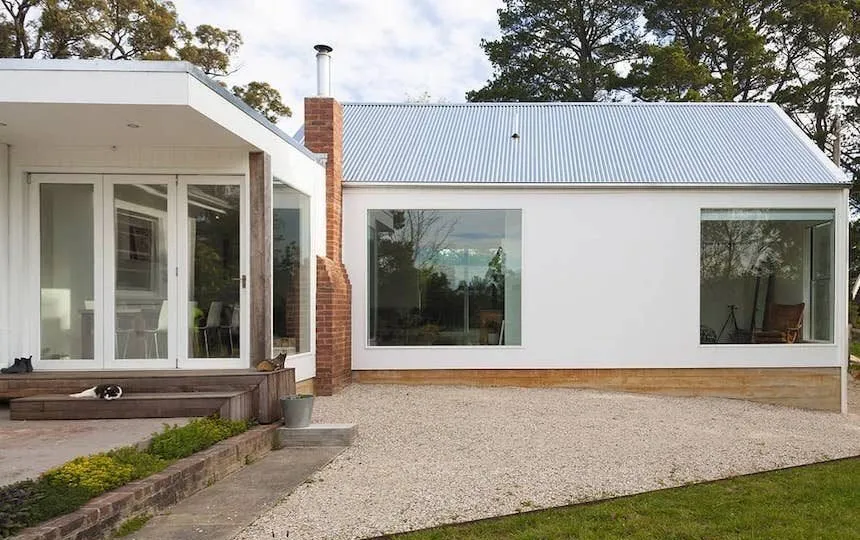
Install solar PV and high‑efficiency lighting, plan for all‑electric appliances and systems, and implement water‑management features like rainwater tanks, greywater recycling, and shade trees or green roof strategies.
Eco‑friendly building in Australia is no longer a niche. Whether you’re building a custom passive house on the coast, a modular net‑zero cottage inland, or a display home in a new subdivision, home builders across the country now offer sustainable solutions. Building a home in Australia with green practices is not just about today’s comfort—it’s about durable value, lower bills, healthier living, and a smaller carbon footprint.
By working with builders who understand passive design, sustainable materials, and modern codes like NCC 2022 and Green Star, Australians can build homes that are environmentally responsible and future‑proof. This is how green building becomes mainstream: through thoughtful choices, smart design and collaboration between eco‑conscious home builders and homeowners.