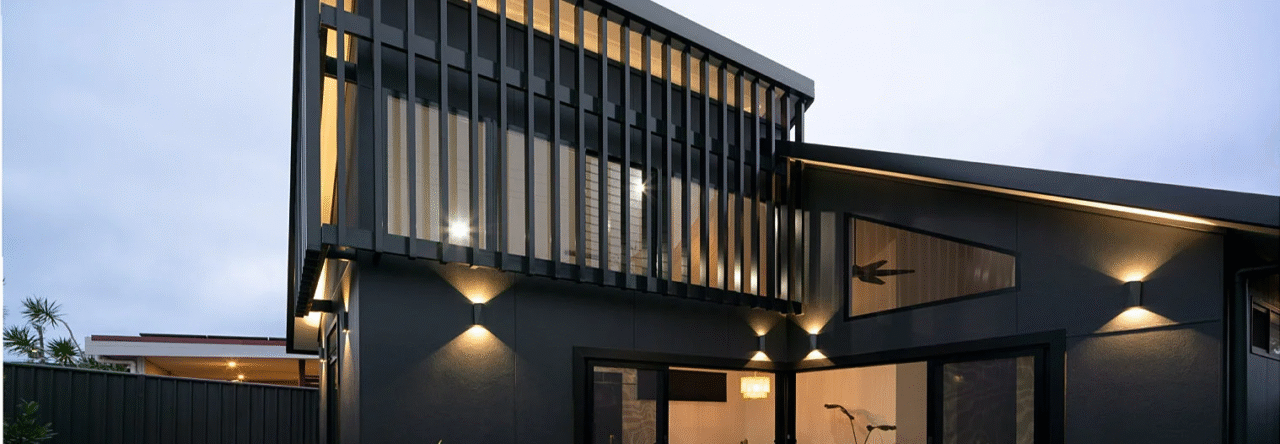
In the evolving landscape of residential construction, home builders in Australia are making a marked shift toward sustainability. This change is not driven merely by environmental ethics but also by economic efficiency, regulatory compliance, and growing client demand for eco-conscious homes. One of the most notable transformations within the industry is the widespread adoption of low-waste construction practices. These strategies are reshaping how homes are designed, materials are sourced, and waste is managed on-site, creating a new era of responsible building.
The Growing Need for Sustainable Home Building
Australia, like much of the world, is facing increasing pressure to address the environmental footprint of the construction industry. The building sector is one of the largest contributors to landfill waste, much of which stems from poor planning, over-ordering, or lack of recycling efforts. When building a home in Australia, clients today are more informed and increasingly conscious about the impact of their housing choices. This has created a demand that is driving innovation across construction projects, both large and small.
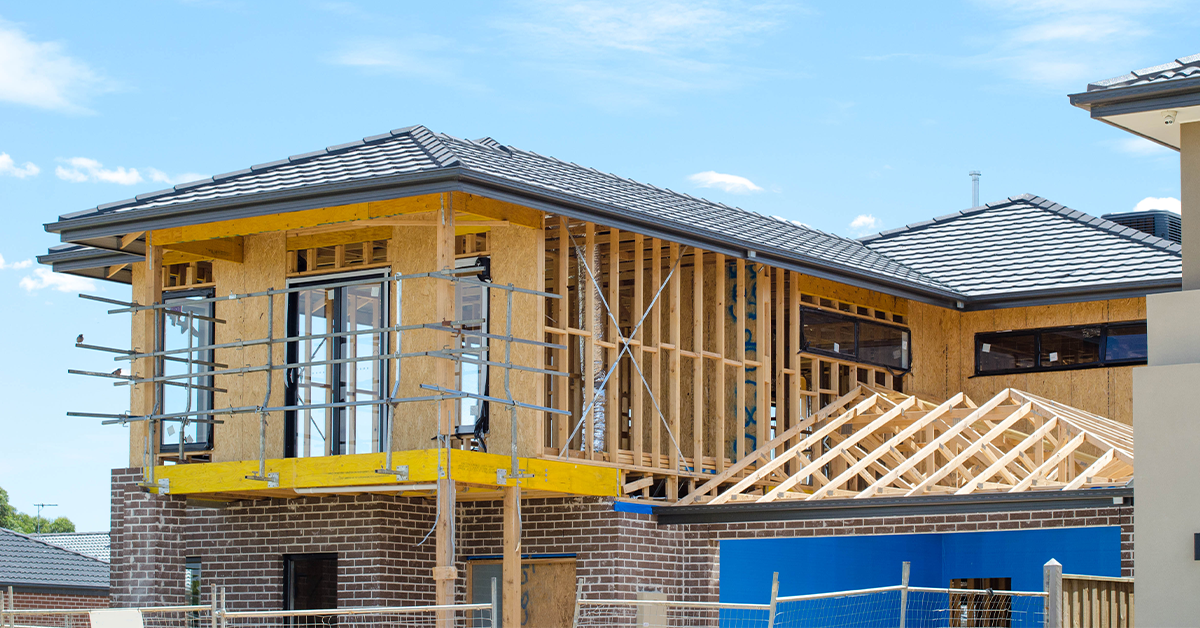
Home builders are no longer judged solely on craftsmanship or speed of delivery. They are being evaluated on how efficiently they use materials, how they dispose of excess, and whether or not their operations minimize environmental degradation. As a result, low-waste construction practices are fast becoming not only a best practice but a standard expectation in modern Australian home building.
Planning for Precision: Reducing Waste Before Construction Begins
The most effective way to reduce construction waste is to prevent it from occurring in the first place. Australian home builders are beginning to embrace digital tools like Building Information Modelling (BIM) and 3D design software to map out every detail before the first shovel hits the ground. These tools help eliminate guesswork and reduce the need for on-site changes that often generate waste.
During the planning stages of building a home in Australia, experienced builders are now conducting comprehensive materials audits to determine precisely what is needed for each project. By doing so, they avoid the common pitfall of over-ordering, which traditionally resulted in surplus timber, plasterboard, and bricks being discarded. Builders are now taking a more exacting approach—ordering smarter, not more.
Prefabrication and Modular Construction: Efficient Building Methods
An increasing number of Australian builders are turning to prefabrication and modular construction techniques to streamline the building process and cut down on site waste. With modular construction, sections of a home are built off-site in controlled environments and then assembled on location. This method not only speeds up the timeline for home completion but also drastically reduces the volume of materials wasted during construction.
In prefabrication facilities, materials can be cut with laser precision, and any offcuts can often be reused in other projects. Since there’s less exposure to unpredictable weather, there’s also a reduction in damage-related waste. Modular building has become particularly popular in rural or remote regions of Australia, where transporting excess materials back and forth is both costly and environmentally damaging.
Recycling and Reuse: Making Use of What Was Once Waste
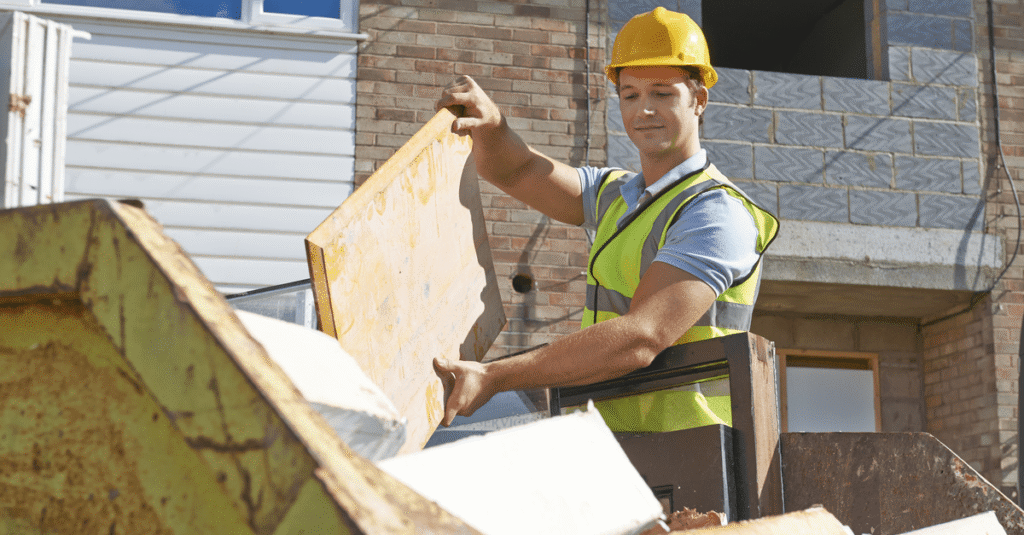
Construction sites are no longer zones where waste is accepted as an unavoidable byproduct. Leading home builders in Australia are instituting recycling programs that are woven into every stage of the build. Offcuts of timber are used for noggins or temporary supports. Bricks from demolition sites are repurposed into landscaping elements or driveways. Even concrete and plasterboard are finding second lives as road base materials or insulation components.
On-site sorting systems have become commonplace, where waste is separated into categories: recyclable, reusable, and landfill. These systems not only help reduce landfill contributions but also cut disposal costs—an added bonus for builders mindful of their bottom line. Some builders are even partnering with local recycling facilities or community organisations to find a productive use for leftover materials, which once would have been tossed away without a second thought.
Embracing Eco-Friendly Materials
Materials selection plays a pivotal role in achieving low-waste outcomes. Many Australian home builders are now opting for materials that are either recycled or sustainably sourced. Timber certified by the Forest Stewardship Council (FSC), low-VOC paints, recycled steel, and composite decking made from plastic waste are just a few of the eco-conscious options becoming mainstream in new home builds.
In addition to being less wasteful, these materials also offer performance benefits—such as improved energy efficiency and durability—making them attractive to both builders and homeowners. As suppliers increase their focus on sustainability, builders have a broader palette of green materials to work with, enabling smarter choices that align with low-waste goals.
Site Management and Waste Control Practices
Low-waste construction also hinges on how well a building site is managed day-to-day. Best practices now include clear signage, designated material zones, and regular site cleanups to ensure materials are stored properly and protected from damage. For instance, proper storage can prevent timber from warping or cement bags from being spoiled by moisture.
Australian builders are also making use of just-in-time delivery systems to reduce material clutter on-site. By receiving materials only when they are needed, they minimise the risk of damage or theft and reduce the chance of materials being left to spoil or become obsolete during delays.
Another effective strategy is waste tracking. Some builders maintain detailed logs that monitor how much waste is generated and where it ends up. This data helps refine future estimates and guides adjustments to construction processes to reduce inefficiencies.
Educating Teams and Subcontractors on Low-Waste Values
The success of a low-waste building approach depends on every stakeholder being aligned with its principles. Progressive home builders in Australia understand that change begins with education. They are taking the initiative to train their crews and subcontractors on low-waste methods and instill an on-site culture that values sustainability.
Toolbox meetings now often include reminders about waste minimisation, while some companies offer incentives for teams who maintain clean, efficient, and low-waste working environments. Through these initiatives, builders are ensuring that eco-friendly practices become second nature to all workers involved in the home-building process.
Regulations and Government Incentives Encouraging Low-Waste Practices
Government bodies in Australia are also playing a role in shaping the construction industry’s response to waste. In several states, regulations are being tightened to limit construction waste going to landfill. Additionally, local councils are beginning to request waste management plans as part of development applications for new builds.
To further incentivize sustainable building, grants and subsidies are being offered to builders who adopt eco-friendly construction methods. Programs that reward low-waste initiatives or certify green homes not only reduce the upfront costs of adopting sustainable practices but also add credibility and marketing value for builders in a competitive industry.
Builders who align themselves with these initiatives often find themselves more attractive to environmentally aware clients, particularly those building a home in Australia for the first time and seeking guidance on responsible construction choices.
The Cost Benefits of Going Low-Waste
Contrary to what some might believe, low-waste construction is not necessarily more expensive. In many cases, it saves builders money by reducing material purchases, lowering disposal fees, and increasing project efficiency. The initial investment in better planning tools or training is often offset by these long-term financial gains.
In a tight housing market where margins are under pressure, Australian home builders who operate efficiently have a clear advantage. Low-waste construction not only enhances environmental outcomes but also supports financial sustainability for the business itself.
A Shift in Industry Culture
The transition toward low-waste construction is indicative of a larger cultural shift within the building industry. Home builders in Australia are increasingly recognising their role as stewards of the environment. This sense of responsibility is shaping a new generation of builders who prioritise precision, care, and thoughtful planning over speed and volume.
The momentum behind this shift is supported by a network of clients, suppliers, regulators, and communities who value sustainability. The more this philosophy is embraced, the more mainstream low-waste construction will become—not as a marketing point, but as an industry norm.