
In today’s rapidly evolving construction landscape, one of the most pressing challenges affecting the building industry is supply-chain disruption. With delays in material sourcing, shipping constraints, and global economic volatility, supply-chain issues have become a serious concern for anyone building a home in Australia. However, top-tier home builders have developed effective strategies to stay ahead of these obstacles and maintain progress, even when the market is unpredictable.
When building a home in Australia, time is money. Any delay in materials can trigger a domino effect, pushing out timelines, straining budgets, and risking the trust of clients. Reputable builders understand that success lies not just in craftsmanship, but in the ability to keep a project on schedule—regardless of external pressures.
Let’s explore how experienced home builders in Australia manage supply-chain delays, maintain workflow continuity, and deliver dream homes on time.
Understanding the Nature of Supply-Chain Disruptions
Supply-chain issues can arise from numerous sources—natural disasters, global pandemics, shipping container shortages, geopolitical tensions, or domestic transport strikes. When these events occur, they often lead to increased costs and longer lead times for critical building materials such as timber, steel, insulation, windows, and plumbing supplies.
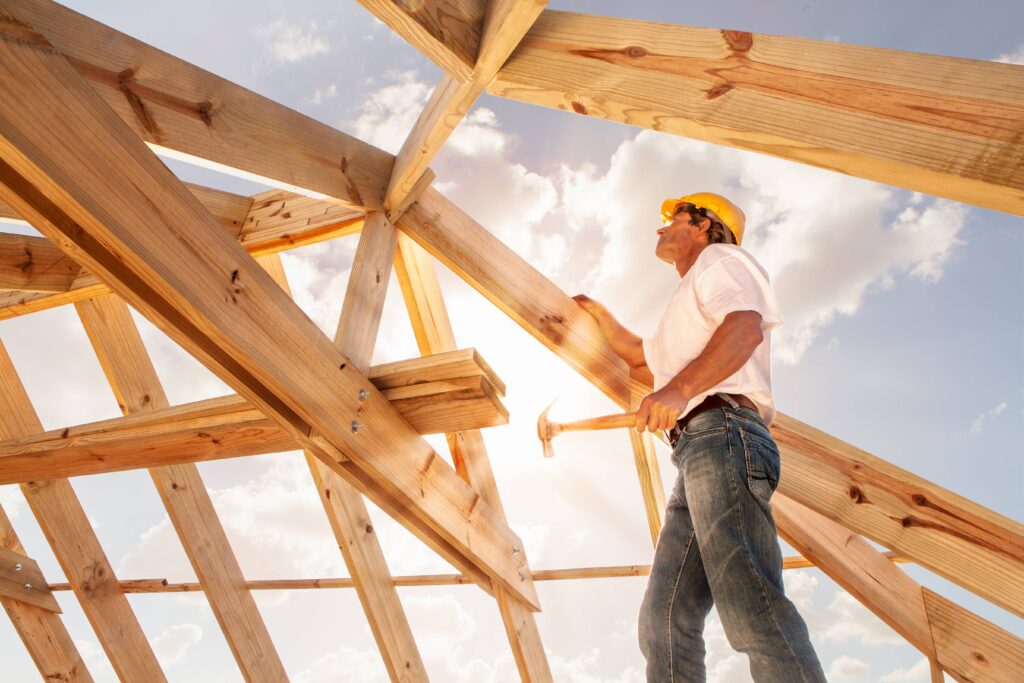
In the context of building a home in Australia, many materials are sourced globally. Even items produced domestically can be affected if components or packaging are delayed offshore. These delays can leave a project hanging at various stages—foundation work might be ready, but framing can’t begin without timber. Or roofing materials may not arrive in time to secure the structure before seasonal rains begin.
Top home builders anticipate such risks early. They don’t just react—they prepare in advance. They understand that construction timelines are closely tied to the arrival of supplies, and they build their project schedules with built-in contingencies.
Early Procurement and Strategic Forecasting
One of the defining traits of successful home builders in Australia is their proactive approach to procurement. Rather than ordering supplies in real-time, they project future needs based on scheduling and secure materials well in advance. This forecasting is not just guesswork—it’s informed by data, experience, and close supplier relationships.
Builders often maintain a materials timeline that mirrors the construction schedule. When one milestone is complete, the next set of materials is already on site or en route. This seamless flow is made possible by forecasting demand for products months in advance and placing bulk orders when possible. By anticipating future delays, they avoid last-minute scrambles that can halt progress.
Some elite builders also make use of warehouse storage facilities to hold stock. This enables them to buffer against market fluctuations and keep building even when others are stalled.
Partnering with Reliable Suppliers and Local Manufacturers
One way top builders in Australia counter international shipping delays is by sourcing from reliable domestic suppliers and supporting local manufacturers. When you’re building a home in Australia, relying on local supply chains can dramatically reduce the chances of delay.
Builders with strong relationships in the supply industry often have access to preferred lead times, priority stock, or substitute products when one line is delayed. It’s not uncommon for a builder to rely on a trusted network of vendors who keep them updated on product availability, shipping schedules, and pricing changes.
This level of communication and trust doesn’t happen overnight. It comes from years of collaboration and mutual support. Builders who foster these relationships have a competitive edge—they can act faster, pivot smarter, and adapt more efficiently than those scrambling for new suppliers in the middle of a crisis.
Flexibility and Design Adaptability
In the face of unexpected shortages, builders may need to adapt the original design or product selections. Rather than wait months for a particular imported tile or fixture, experienced home builders offer practical alternatives that maintain the integrity and aesthetic of the home without compromising the project timeline.
This ability to pivot and present solutions is what separates a good builder from a great one. Clients building a home in Australia appreciate when their builder can keep things moving while still honoring the look, feel, and quality of the original vision.
Builders often work closely with designers, clients, and suppliers to pre-select a list of alternatives for high-risk materials. That way, if a delay occurs, the changeover can happen quickly without derailing the schedule or inflating the budget.

Communication Is the Cornerstone of On-Time Projects
Whether building a custom home or a residential development, transparent communication between builders, clients, and subcontractors is crucial. When delays are expected—or even just a possibility—great builders keep everyone informed.
Top Australian builders schedule regular project updates with their clients and use software platforms to track timelines, deliveries, and milestone completions. If a shipment is running late, clients are made aware of the situation and the builder’s contingency plan. This proactive communication builds trust and reduces the stress and uncertainty that often accompany building a home.
Builders also work in sync with tradespeople, rescheduling tasks when necessary or rearranging workflows so that no one is left idle while waiting for materials. By reshuffling tasks and staying agile, they can keep momentum going even in the face of partial setbacks.
Leveraging Technology and Project Management Tools
Technology has become a key tool for keeping construction projects on schedule. Modern home builders use sophisticated project management platforms to monitor every stage of the build, coordinate logistics, and adjust plans in real-time.
These tools provide a macro and micro view of the schedule, making it easier to predict bottlenecks before they cause significant delays. Builders can check when supplies are due, flag high-risk materials, notify contractors of date changes, and update clients—all from a central digital dashboard.
Some builders also use inventory tracking and procurement software to keep a tight grip on materials availability. This automation removes guesswork and ensures every item—from concrete to cabinetry—is accounted for before it’s needed.
Investing in Staff Training and Skilled Labor
Supply-chain issues aren’t just about materials. Skilled labor shortages can cause equally severe delays. Leading home builders in Australia understand this, which is why they invest in long-term relationships with contractors, ongoing staff training, and workforce flexibility.
A well-trained, multi-skilled team can adapt quickly. If one part of a project is delayed due to missing materials, skilled workers can shift to another task, minimizing downtime. This dynamic use of human resources keeps productivity high and project timelines on track.
Experienced builders also cultivate loyalty among subcontractors and tradespeople. Those relationships pay off when schedules tighten or unexpected changes occur. When labor is in high demand, builders who treat their teams well are more likely to retain their services without interruption.
Risk Mitigation Through Contracts and Insurance
Building a home in Australia involves numerous moving parts. To protect themselves and their clients from unforeseen delays, top builders incorporate clauses into their contracts that address potential supply disruptions. These clauses define what happens in case of delayed materials, how timelines will be adjusted, and what options are available to move forward.
Some also take out insurance policies that protect against cost blowouts caused by delays, especially in large-scale or high-end projects. This kind of financial foresight helps projects continue even when challenges arise.
Homeowners feel more secure knowing their builder has planned for every eventuality, not just the best-case scenario.
The Role of Experience and Reputation
Ultimately, managing supply-chain delays requires foresight, flexibility, and deep industry knowledge. Top Australian home builders earn their reputation not just from the homes they complete, but from the way they manage projects when things don’t go to plan.
Whether it’s a global pandemic or a temporary steel shortage, the best builders take it in stride. Their experience enables them to find creative solutions and their reputation gives them access to resources others may not have.
When you’re building a home in Australia, choosing a builder with this level of competence makes all the difference.
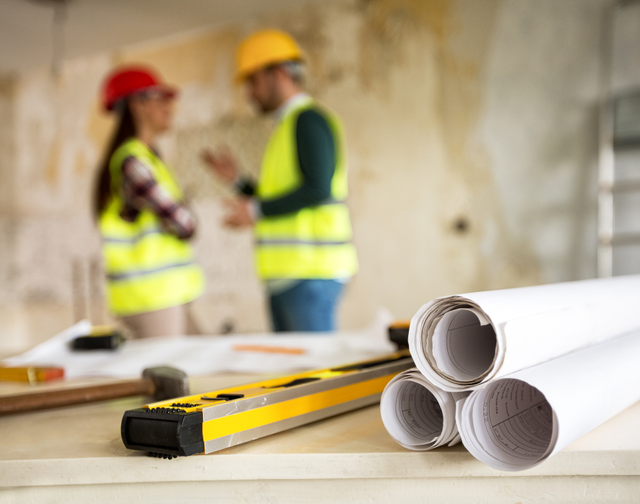
They’re not just constructing walls and roofs—they’re managing an intricate process with thousands of variables. Their ability to stay on schedule despite supply issues reflects their professionalism and commitment to quality service.
Confidence Through Preparation
Managing supply-chain delays is not about avoiding problems—it’s about planning for them. Home builders who succeed in today’s market do so by building buffer time into their schedules, sourcing strategically, staying informed, and communicating clearly.
For anyone building a home in Australia, these are the qualities to look for in a builder. A team that prepares for the unexpected, adapts quickly, and maintains transparency throughout the process will not only deliver a beautiful finished home, but also a stress-free building experience.
The challenges may be real, but with the right builder, your dream home doesn’t have to wait.