
Building a home in Australia means making a number of forward-thinking decisions. From selecting sustainable materials to accounting for the country’s varied climate zones, each choice contributes to the overall resilience, comfort, and value of a home. One particularly vital feature that forward-thinking home builders in Australia are now prioritizing is rainwater harvesting systems. These systems are no longer just an eco-friendly bonus—they are becoming an essential component of smart home construction, especially in a nation frequently facing drought, water restrictions, and environmental pressures.
Why Rainwater Harvesting Matters When Building a Home in Australia
Water is a precious resource in Australia, and managing it effectively is key to sustainable living. Rainwater harvesting systems offer a practical solution that not only reduces a home’s reliance on municipal water supplies but also slashes water bills and contributes to environmental conservation. For new builds, the integration of rainwater harvesting systems during construction makes both financial and ecological sense. Installing the necessary tanks, plumbing, and filters during the construction phase is significantly more cost-effective and convenient than retrofitting later.
When home builders in Australia plan for water conservation from the foundation up, they create homes that are future-ready. These systems allow homeowners to collect rainwater from roofs and direct it into storage tanks for a variety of uses—irrigation, toilet flushing, washing machines, and even potable use if properly filtered. And in an environment like Australia’s, where rainfall patterns can be unpredictable and urban water supply costs are rising, such systems deliver measurable benefits.
Integrating Rainwater Systems into the Build Process
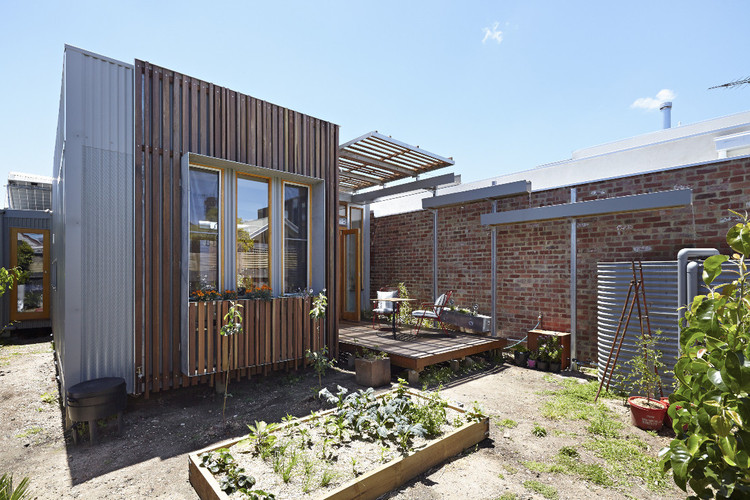
From the earliest planning stages, rainwater harvesting should be considered alongside other core home infrastructure. When building a home in Australia, choosing the right tank size, location, and connection systems early allows for seamless design integration. Tanks can be positioned underground, under decks, or beside the home, depending on land gradients and council regulations. Aesthetics matter too, especially for urban homes, and modern tanks come in a range of shapes and finishes that can blend with the home’s exterior.
Home builders who offer rainwater harvesting as a standard feature or optional upgrade position themselves as sustainability leaders. It’s a value-add that appeals not only to eco-conscious buyers but also to practical families looking for long-term savings. A well-planned system includes guttering and roof catchment considerations, first flush diverters to remove initial debris from rainfall, leaf screens, tank strainers, and filtration units that maintain water quality.
Some of the best rainwater harvesting installations begin with well-graded roofs and seamless gutters that direct water efficiently into tanks.
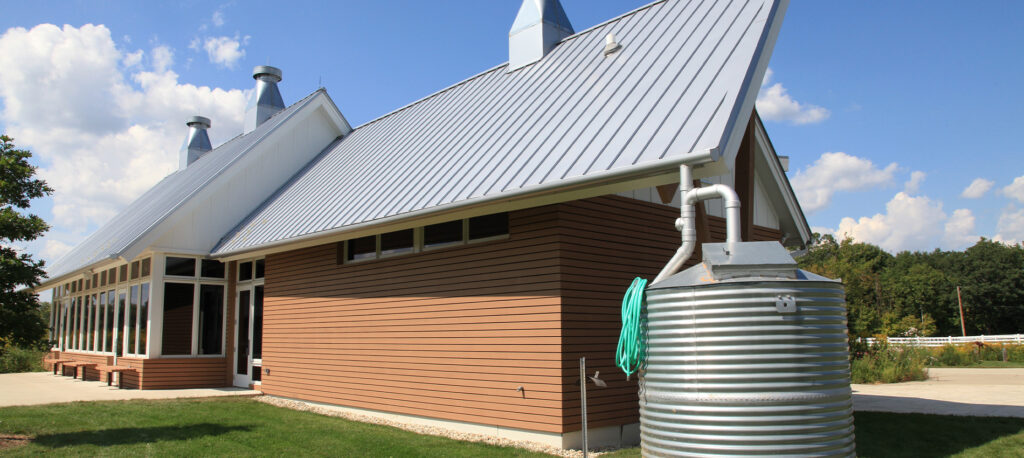
Builders who understand these architectural details can ensure the system works optimally without causing issues such as overflow, water damage, or blockage.
Regulatory Compliance and Council Expectations
Australian building regulations vary by state, but many local councils encourage or mandate rainwater systems for new builds—especially in rural and semi-rural areas. For instance, in parts of New South Wales and South Australia, home builders are required to install rainwater tanks to meet basic water supply needs or to comply with minimum BASIX or energy rating requirements. Builders who understand these regulations and guide their clients accordingly help reduce planning delays and improve client satisfaction.
Navigating these requirements is where experienced home builders in Australia truly shine. They work closely with surveyors, engineers, and local councils to ensure that rainwater systems meet plumbing codes, safety standards, and environmental benchmarks. For example, stormwater runoff must be managed to avoid erosion or waterlogging, and connections to household systems may require backflow prevention devices to prevent contamination of the mains water supply.
Key Components Australian Builders Must Consider
A complete rainwater harvesting system includes several interconnected elements, each of which must be selected and installed with precision. The roof surface is where collection begins, and builders need to consider materials and pitch to ensure efficient flow. Metal and tiled roofs are common in Australian homes and work well for collection, though certain coatings or roof paints may affect water quality.
Guttering must be installed with the correct slope and capacity to manage heavy downpours. Downpipes should be strategically placed to carry water to tanks with minimal loss. Then there are the tanks themselves—available in polyethylene, steel, concrete, or fiberglass—with varying capacities depending on space and usage needs. Builders must assess the land gradient to ensure correct positioning and adequate drainage around the tank base.
Filtration is another crucial step. Depending on the intended use of the harvested water, filters might be simple mesh strainers or more advanced multi-stage systems capable of producing drinking-quality water. Pumps and plumbing lines distribute the stored water where it’s needed, whether to the garden, laundry, or toilets.
The Economic and Environmental Benefits for Australian Homeowners
Incorporating rainwater harvesting systems when building a home in Australia has clear financial advantages. Homeowners can reduce their reliance on municipal water by up to 50% or more, depending on rainfall and household habits. This equates to hundreds of dollars in annual savings, particularly as water prices continue to rise in many parts of the country.
From an environmental perspective, the benefits are even greater. Reducing demand on public water infrastructure lessens the strain on dams and rivers, helping preserve fragile ecosystems. Using rainwater for irrigation and cleaning also reduces the need for chemically treated municipal water, which is especially important in dry zones where every drop counts.
Home builders that integrate these systems are also contributing to better stormwater management. Rather than allowing rain to run off into streets and drains—carrying pollutants and contributing to urban flooding—collected rainwater is stored and used onsite, lowering the environmental footprint of the entire household.
Marketing and Selling Homes with Sustainable Features
Today’s homebuyers are more informed and more environmentally conscious than ever before. Many actively seek out homes that include green features like solar panels, insulation, and rainwater systems. For home builders in Australia, highlighting the integration of rainwater harvesting during the sales process offers a competitive edge. It’s not just about sustainability—it’s about cost savings, convenience, and future-proofing.
Builders can offer packages that bundle rainwater harvesting with other eco-smart options, creating a full sustainability suite that aligns with government rebate programs and green rating systems. By including rainwater systems in their show homes, builders make the concept tangible and show potential buyers exactly how the systems work and what benefits they deliver.
Challenges and Solutions for Home Builders
Despite the benefits, some builders hesitate to include rainwater harvesting due to perceived complexities in installation, regulation, or cost. However, with proper planning and expert guidance, these challenges are manageable. Collaborating with reputable suppliers, staying updated on local building codes, and training construction crews on installation techniques can all help smooth the process.
Builders should also consider future maintenance access and longevity. Tanks must be durable, pumps accessible, and filters replaceable. Educating homeowners on basic upkeep—like cleaning strainers and checking filters—ensures the system remains effective over time.
Some builders partner with sustainability consultants or water systems specialists during the design phase. This collaboration ensures the system is integrated without disrupting construction timelines or budgets. For custom homes or developments in water-sensitive areas, these partnerships are often the difference between a functional feature and a long-term asset.
Future Trends in Rainwater Harvesting for Australian Builds
As climate change accelerates and water scarcity becomes more pronounced, demand for rainwater harvesting systems will only increase. Innovations in tank design, such as slimline and modular systems, are making it easier for home builders in Australia to install these features on small or narrow lots. Smart monitoring systems are also emerging, allowing homeowners to track water levels, consumption, and maintenance needs via apps.
Moreover, state and federal governments are beginning to offer incentives for building a home in Australia that includes water-efficient systems. These policies signal a shift toward mandatory inclusion in some regions, making early adoption a smart move for builders who want to remain ahead of regulatory trends.
A Sustainable Investment for Modern Australian Homes
Rainwater harvesting systems represent one of the most straightforward and impactful features that can be built into Australian homes from day one. For home builders across the country, integrating these systems at the construction stage isn’t just a nod to sustainability—it’s a commitment to smarter, more efficient, and more resilient housing.
As more Australians become aware of the environmental and economic benefits of harvesting rainwater, builders who offer these systems as standard or premium options will find themselves well-positioned in a competitive housing market. By focusing on long-term livability and resource management, they don’t just build houses—they build better futures.